
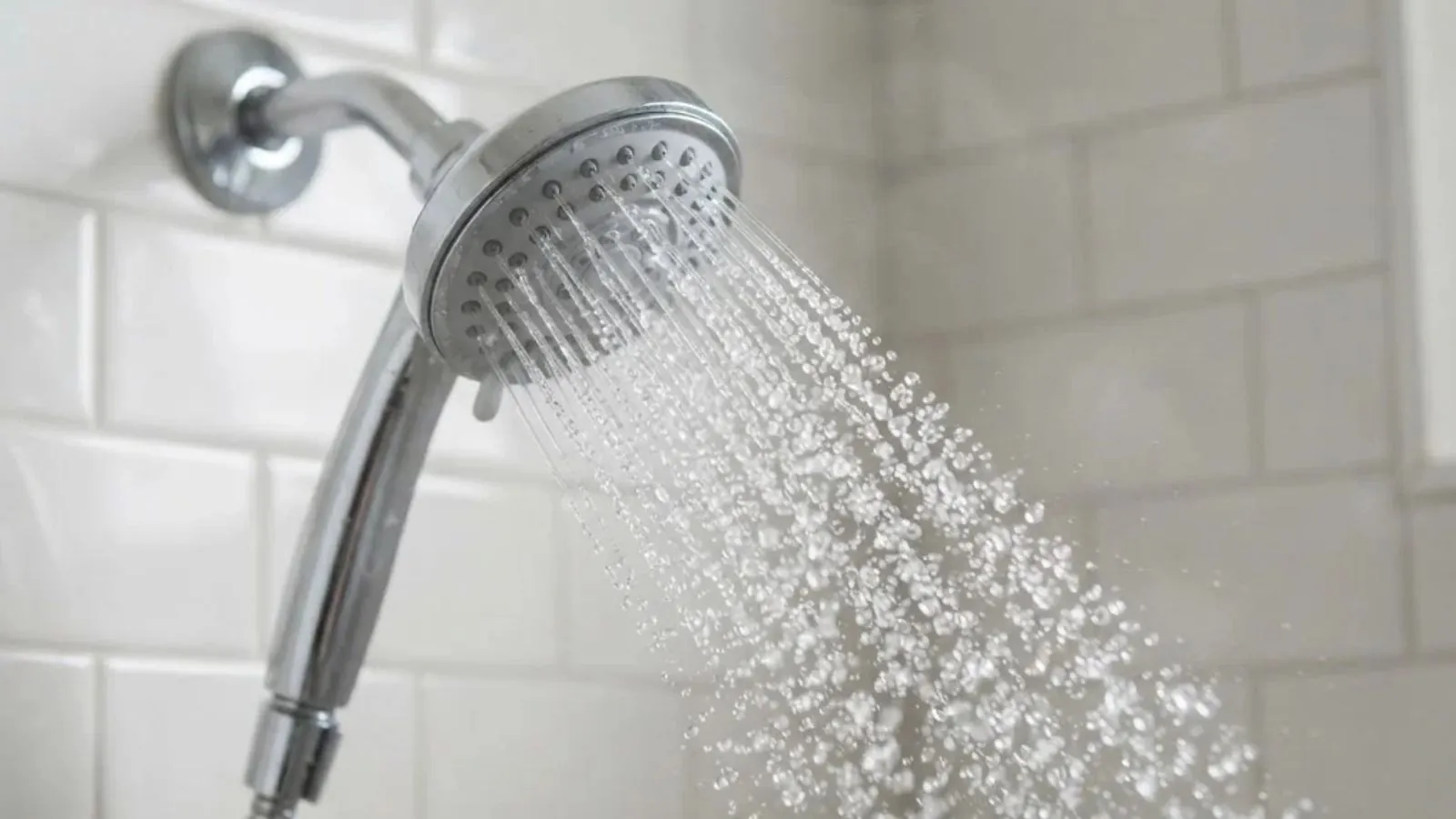
Start by finding out how widespread the problem is. If one faucet is weak and the rest are fine, the cause is almost always a clogged aerator or a partly closed stop valve at that fixture. If every fixture is weak, the cause is in the main line, the pressure reducing valve, the water service line or the utility's supply.
Then check whether hot and cold are both weak. If only the hot side is weak, look at the water heater and the hot lines. If both are weak, look at the main shutoff valve, the meter valve and the service line.
The table below sorts the common patterns. After it come the quick checks, the hidden causes and a local note about utility main work, which can drop pressure on your street for a short time.
Read the pattern before you reach for a wrench
Most low pressure problems fall into one of these patterns.
| What you notice | Likely cause | Who fixes it |
|---|---|---|
| One faucet or showerhead is weak | Clogged aerator or showerhead, or a partly closed stop valve | You, in minutes |
| Hot water is weak, cold is normal | Sediment in the water heater or a partly closed hot valve | You or a plumber |
| All fixtures are weak, all the time | Partly closed main valve, failing pressure reducing valve or clogged old pipe | A plumber |
| Pressure drops after a repair or a storm | A valve left partly closed or a leak in the service line | A plumber |
| Pressure is weak at once on the whole street | Utility main work or a main break | The water utility |
If your neighbors report the same thing, call the utility before you call a plumber. If they do not, the problem is probably on your side of the meter.
Quick checks anyone can do
These checks cost nothing and often solve the problem.
Clean the aerators
Unscrew the aerator at the faucet tip, soak it in vinegar and brush out the mineral flakes. Do the same for showerheads.
Check the stop valves
Make sure the stop valve under each sink is fully open. A quarter turn closed can cut flow noticeably.
Check the main shutoff valve
Find the main valve where the water line enters the house and make sure it is fully open.
Check the meter valve
If you can see the meter and its valve at the street, confirm the valve is open. Do not touch the utility side.
If these checks restore pressure, the cause was a simple restriction. If not, move on to the causes behind the wall.
Causes behind the wall
Pressure reducing valve
Many homes have a PRV near the main that sets house pressure. When it wears out, pressure can drop or swing. A plumber can test it with a gauge.
Old galvanized pipe
Galvanized steel corrodes from the inside, and the pipe narrows over time. Homes with old galvanized lines often have weak pressure and rust-colored water.
A leak in the water line
A leak between the meter and the house lets water escape before it reaches the fixtures. A wet spot in the yard or a running meter points here.
A failing water heater
Sediment and scale can restrict hot water flow, while cold flow stays normal.
A pressure gauge on a hose bib tells the truth in seconds. A plumber who reads the gauge can separate a supply problem from a restriction inside the house.
When the cause is outside your house
The water service line runs from the street to your house, and a leak or a crushed section can cut pressure at every fixture. If the meter keeps running while all water in the house is off, the line may be leaking, and our water line repair crews can locate the leak without digging the whole yard.
If the problem is on the street side of the meter, the water utility is responsible. Missouri American Water serves Maryland Heights, and the city lists its customer line as 1-866-430-0820. Ask whether there is a main break or construction work on your street.
Maryland Heights local note: main work can drop pressure
Missouri American Water announced a project to replace aging water mains on McKelvey Road, between Creve Coeur Mill Road and Smoke Valley Court, in 2021. The release names Jane Court, Glenridge Drive, Jonesdale Court, Dunhill Drive and Chatham Drive among the affected streets. It warns customers to expect temporary outages, discolored water and low pressure while crews work.
If your pressure drops on a street with active main work, run the cold tap for a few minutes to clear discolored water and call the utility before you pay for a plumber. If the pressure stays low after the work ends, the cause may be inside your house, and a gauge reading will tell you.
Source: Missouri American Water, 2021 press release on the McKelvey Road main replacement (water utility).
When to call a plumber
Call a plumber if the pressure is low at every fixture, if the water is rust-colored, if the meter runs with everything off or if the problem started after plumbing work. Those are signs of a valve, a pipe or a line problem that needs a gauge and a plumber's eye.
A weak shower or a sink that fills slowly is also a good moment to look at the faucets. Our faucet repair crews can replace worn cartridges and stop valves, and we serve homes in Bridgeton and Chesterfield as well as Maryland Heights.
Pressure guidelines you can check
Residential pressure is commonly kept between about 40 and 80 pounds per square inch, and plumbing codes such as the International Plumbing Code (IPC) call for a regulator when street pressure runs above 80. A cheap gauge on a hose bib tells you whether the problem is the street or the house.
Missouri American Water at 1-866-430-0820 can say whether work on the main is affecting your street.
Low water pressure questions
A partly closed main valve, a failing pressure reducing valve, old clogged pipe or a leak in the service line are the usual causes. A pressure gauge on a hose bib helps tell them apart.
Sediment in the water heater, a partly closed hot supply valve or a clogged hot line is likely. Cold pressure that is normal rules out the main line.
Yes. A leak in the service line or in a main branch lets water escape before it reaches the fixtures. A running meter with all water off is the clue.
A gauge that screws onto a hose bib shows the pressure at the house. A plumber can read it and compare it with what the fixtures should see.
Call Missouri American Water at 1-866-430-0820. The utility can tell you about main work or a break and when pressure should return.